
AMAZON CATALOG MANAGEMENT
- One Suppressed listing = $10K+ lost /Month
- One suspension= business over
- We handle the bulk operation and technical backend work so you can sell uninterrupted.

Listing Reinstatement
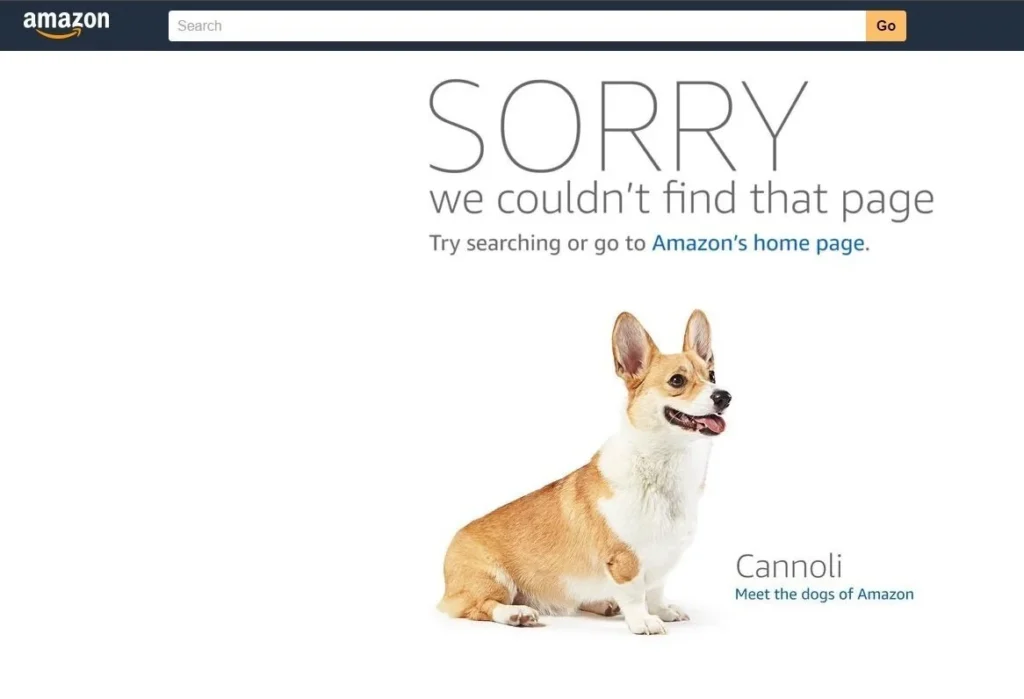
We help in reinstating deactivated Amazon listings, transforming them from “Page Not Found” to active listings to regain selling momentum. We manage various listing takedown cases promptly and effectively:
- Copyright claims
- Trademark infringements
- Medical claims
- Food and Product Safety Issues
- Listing Policy Violations
- Restricted Product Policy Violations
- Brand takedowns
- Item safety breakdowns
- And more, not limited to categories above
Why Our Reinstatement Process Works
We have experience managing over 200 Amazon brands and understand how to resolve a wide range of Amazon listing issues.
Our team takes care of the entire reinstatement process. Since every case is different, we review your situation, prepare the required updates, and work with Amazon until the listing is reinstated.
- Review your account and identify the issue
- Update the listing to meet Amazon’s policies
- Prepare and submit a Plan of Action to the appropriate Amazon team
- Monitor the case and follow up until a decision is reached
FAQ'S
Everything that keeps your catalog live, accurate, and scalable. This includes account health monitoring, fixing listing suppressions, case logs for complex issues, and bulk uploads via flat files for new listings, updates, and variations. We also handle attribute updates like size, color, browse node, manufacturer, and brand name, along with UPC and GS1 barcode corrections.
Listing reinstatement is the process of reactivating a suppressed, removed or blocked ASIN after Amazon removes it for policy violations. We identify the specific root cause and submit a compliant Plan of Action (POA) to restore your listing to active status
With our approach, 60% of the listings return within 72 hours, though the overall timeline depends on multiple factors and can differ from case to case.
Account Reinstatement
We help reinstate suspended and deactivated Amazon seller accounts so you can get back to selling as quickly as possible.
We assist with:
- Performance metric suspensions (Order Defect Rate and others)
- Intellectual property claims (copyright, trademark, patent, authenticity)
- Product safety suspensions
- Identity and verification issues
- And many other suspension types
IMPORTANT: Please note, account reactivation relies solely on Amazon’s instructions. If no guidance for reinstatement is provided by Amazon, there will be no pathway to reactivate the account.
What’s Included
We manage the entire reinstatement process from start to finish, including:
- Reviewing your account and identifying the issue
- Preparing and submitting a Plan of Action
- Updating listings when needed to meet Amazon policies
- Following up with Amazon and managing support cases
We continue working on your case until a final decision is received from Amazon.

FAQ'S
We research your issue and write a Plan of Action to send to Amazon. We also manage the case logs and fix your listings to follow the rules.
Active accounts often get an answer from Amazon within 48 hours. We will keep working on your case for up to 45 days.
We fix suspensions for order mistakes like late shipping or negative feedback. We also resolve complex issues like fraud claims, linked accounts, and trademark violations.
Amazon Brand Name Change
Changing a brand name on Amazon can be challenging and is often rejected if the requirements are not met. We handle the entire process and prepare your submission to meet Amazon’s policies.
Benefits include:
- Better protection for your listings
- Access to Sponsored Brands ads
- Access to A+ Content, Brand Store, Virtual Bundles, and other brand tools
Every request is reviewed and submitted carefully to improve the chances of approval.
Required Documents
To begin the process, we’ll need from you:
- Product images showing the new brand name and/or UPC barcode
- A website link where the product is displayed with the UPC barcode visible
- Trademark number
- GS1 certificate
Having a deep understanding of the Amazon Catalog System, we also work on listing updates including:
- UPC to GS1 Barcode Change
- Manufacturer Name Change
- Title, Size/Color Changes
FAQ'S
There is zero impact to sales, ads and FBA inventory. Ads are done on the SKU level. It has nothing to do with brand. However, Brand ads “could” be slightly affected and may need to be set up again. There will be no issues with Sponsored Products ads.
It depends. On average it takes 3-30 days, but can take much longer. Each case varies.
To expedite the brand name change process, you will need to provide the following documents:
- Real-world images of the product with the desired brand name and/or UPC barcode clearly visible.
- A link to the website where the product is showcased, featuring a visible UPC barcode (not on the product but on the website itself).
- Trademark number
- GS1 Certificate.
Flat Files (Bulk Uploads)
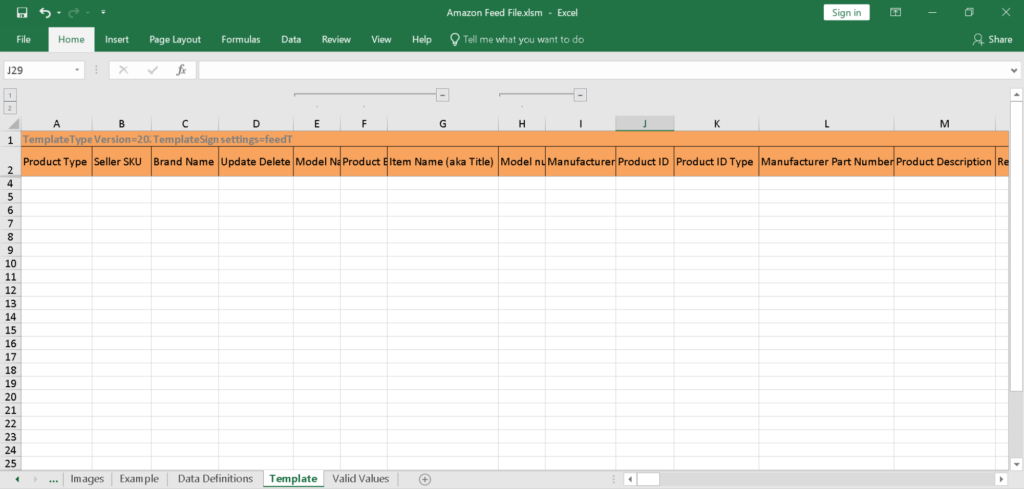
Manually updating hundreds of listings one-by-one is slow, error-prone, and unsustainable as you scale. We use flat files to make bulk changes.
We manage:
- Bulk new listing creation (launch 10, 100, or 1,000+ SKUs at once)
- Variation family setup (parent-child relationships, size/color & more combinations)
- Bulk content updates (titles, bullets, descriptions, backend search terms)
- Bulk price and inventory updates across your entire catalog
- Backend attribute filling (browse nodes, item specifics, category-required fields)
- Category and node reassignment (get listed where you should be)
- UPC/GTIN updates and barcode corrections
- Fixing bulk errors from previous uploads (broken variations, missing data, duplicate ASINs)
FAQ'S
No limit. Whether it's 10 SKUs or 1,000+, we handle bulk updates the same way—carefully and accurately.
All types—size, color, style, pack quantity, flavor, and multi-attribute variations (like size + color combined). We handle simple 2-variant listings to complex catalogs with 100+ child ASINs.
UPC to GS1 Barcode Change
Your Listings Could Be at Risk
Amazon is cracking down on invalid UPCs. If your barcode isn’t GS1-registered, your listing can be suppressed—sometimes with little or no warning.
Why This Matters
Stricter Enforcement
Amazon is actively auditing UPCs against the GS1 database and flagging mismatches—even on listings that have been active for years.
Suppression Without Warning
Invalid barcodes can get your listing suppressed overnight, cutting off sales instantly.
Brand Registry Roadblocks
Amazon rejects A+ Content and Brand Registry applications when your UPC doesn’t match your brand ownership records.
Catalog Merge Risk
If Amazon merges your listing due to barcode mismatches, you can lose your reviews and sales history.
Revenue Impact
One suppressed ASIN means an instant sales stop—hurting cash flow and your product’s rank.
Fixing this isn’t simple, but we handle the entire process for you.
How We Fix It
We verify your current barcodes, get you properly GS1-registered UPCs, and update your listings correctly—so you stay compliant and protected.

FAQ'S
Generally, it would take 3 to 4 weeks. It might change depending on several factors. It usually involves filing a lot of tickets.
Minimal. Your reviews and BSR stay unaffected. Existing FBA inventory is untouched, and old UPCs still scan and associate correctly with your ASIN. We recommend updating your product labels to the new GS1 barcode on your next manufacturing run.
Yes. UPC is universal, and changing it in the US market will cause it to update in other markets as well, but the update in other markets may take some time to take effect
Either works, but we recommend using the new GS1 barcode going forward. The only rule that matters: only one barcode should be scannable per unit. Never leave both the GS1 and FNSKU barcodes exposed and scannable on the same box.
Yes. Once converted, ship new inventory with the updated GS1 barcode. We recommend applying it starting with your next manufacturing run
No. Both barcodes stay linked to the same ASIN, so old and new inventory can coexist without stock or inventory problems. Nothing gets discarded. Just start using the new GS1 barcode on future manufacturing runs going forward.